


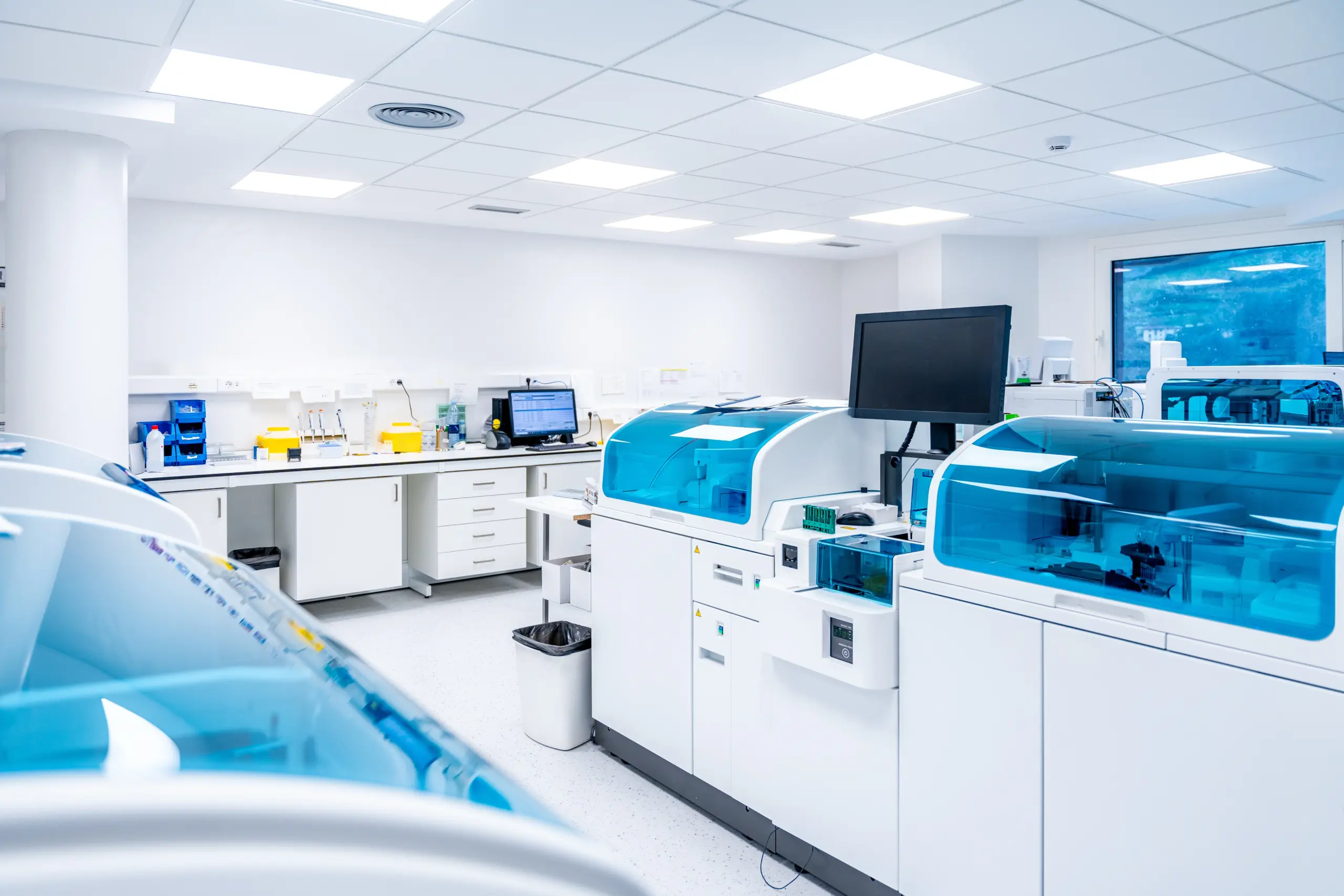
The rapid expansion of genomics and molecular diagnostics has driven significant innovation in nucleic acid extraction technologies. Modern systems are designed to deliver higher efficiency, scalability, and reproducibility while minimizing user effort.
From Traditional to Modern Methods
Earlier extraction methods relied on organic solvents and precipitation techniques. Although effective, they posed safety risks and required extensive handling. The transition to silica membrane and magnetic bead technologies marked a major advancement.
Key Technological Innovations
Recent developments include:
-
Improved silica membrane chemistry for higher binding capacity
-
Optimized buffer systems for diverse sample types
-
Reduced elution volumes for higher nucleic acid concentration
-
Automation-compatible extraction workflows
These advancements enable laboratories to process large sample volumes without compromising quality.
RNA Extraction Challenges and Solutions
RNA extraction presents unique challenges due to RNA’s instability and susceptibility to RNase degradation. Modern RNA extraction kits incorporate:
-
RNase inhibitors
-
Rapid processing steps
-
Highly efficient wash systems
These features ensure intact, high-quality RNA suitable for RT-PCR, transcriptomics, and gene expression analysis.
Supporting Clinical and Research Applications
Advanced extraction technologies are essential for:
-
Infectious disease diagnostics
-
Oncology research
-
Genetic screening
-
Agricultural biotechnology
As molecular biology moves toward higher sensitivity and precision, extraction technologies must continue evolving to meet these demands.
The Road Ahead
Future extraction systems will focus on:
-
Full automation
-
Faster turnaround times
-
Lower sample input requirements
-
Integration with downstream analytical platforms
Reliable nucleic acid extraction will remain the foundation upon which genomic innovation is built.
