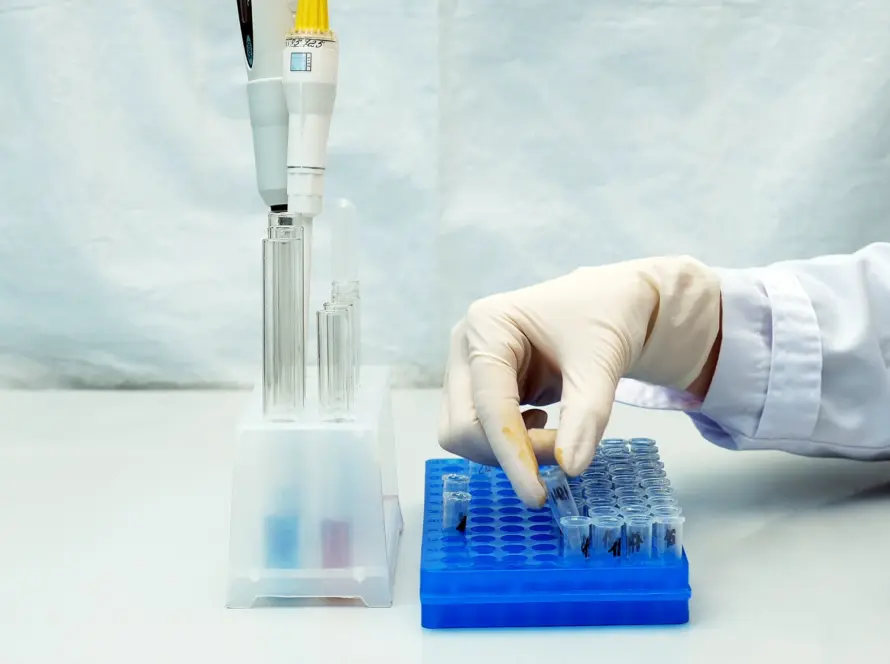


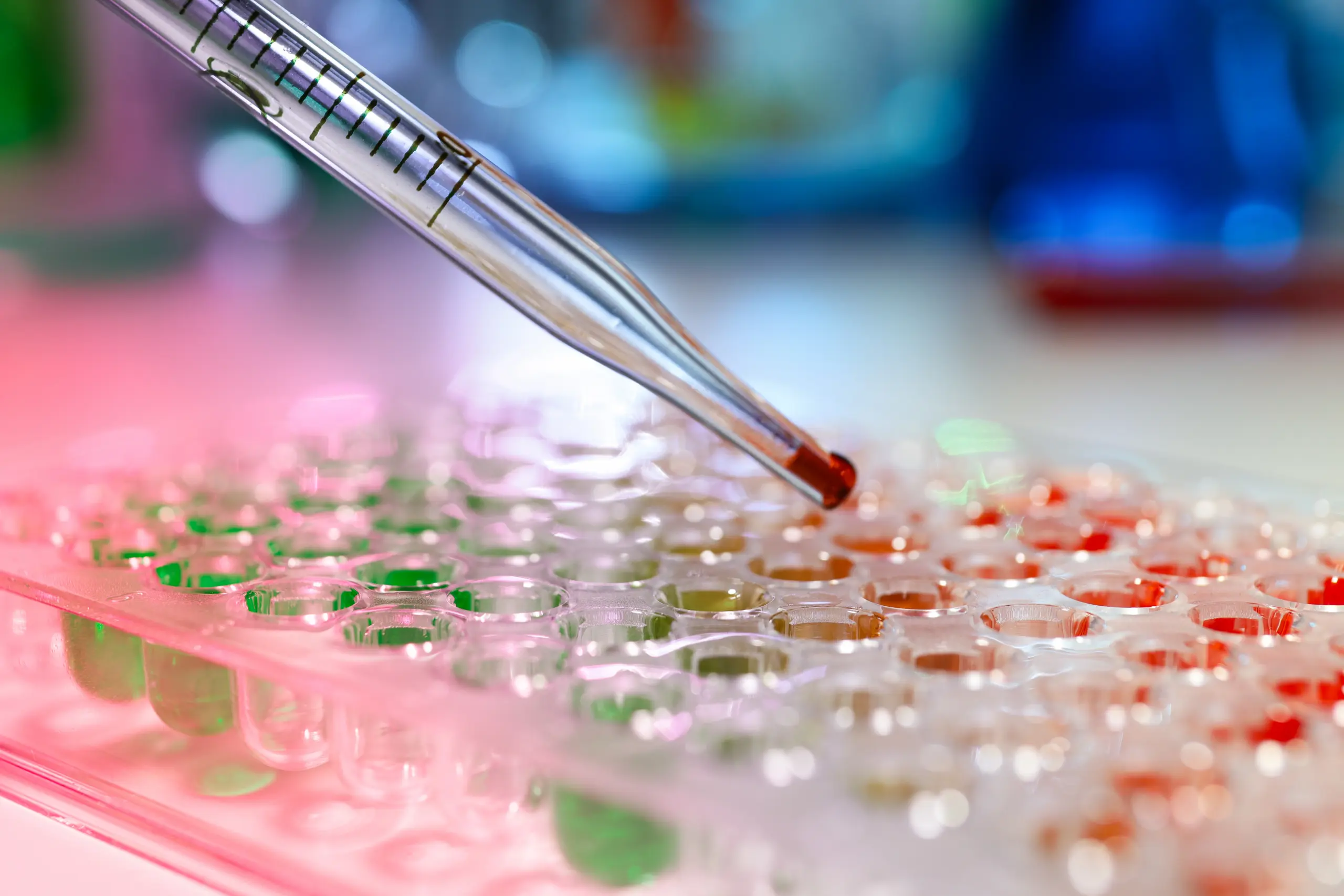
In molecular biology, experimental success is often determined long before amplification or sequencing begins. Sample preparation quality directly influences sensitivity, accuracy, and reproducibility across all downstream applications.
The Role of Sample Preparation
Sample preparation is not merely a preparatory step—it is a decisive factor in data quality. Incomplete lysis, contamination, or nucleic acid degradation can lead to:
-
Poor amplification efficiency
-
Inconsistent sequencing results
-
False negatives in diagnostic assays
-
Increased experimental variability
High-quality preparation ensures that nucleic acids are intact, pure, and present at optimal concentrations.
Common Inhibitors and Contaminants
Biological samples may contain substances that interfere with enzymatic reactions:
-
Proteins and lipids
-
Polysaccharides
-
Phenolic compounds
-
Residual ethanol or salts
Modern purification systems are designed to remove these inhibitors efficiently while preserving nucleic acid integrity.
Importance of Reproducibility
Reproducibility is especially critical in:
-
Clinical diagnostics
-
Research publications
-
Industrial and regulatory environments
Standardized extraction kits ensure batch-to-batch consistency, minimizing variation across experiments and laboratories.
Advantages of Modern Extraction Kits
Contemporary nucleic acid extraction kits offer:
-
Streamlined protocols
-
Reduced handling errors
-
Consistent yields
-
Compatibility with automation
These advantages help laboratories improve efficiency, reduce troubleshooting, and maintain confidence in experimental outcomes.
Long-Term Impact on Research Quality
Reliable sample preparation saves time, reduces costs, and ensures meaningful results. In an era of high-throughput genomics and precision diagnostics, robust sample preparation is not optional—it is essential.